Commercial Fire Detector Replacement Perth
What the 10-year mark means and how to choose.

If AS 1851 applies to your building, the 10-year fire detector requirement means detectors are tested or replaced. A1 does both and hands you the records.
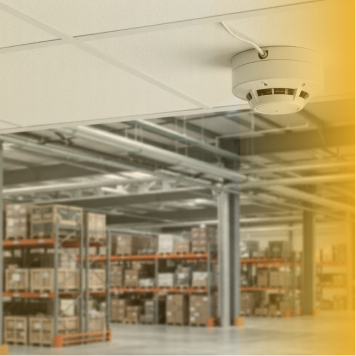
Offices, retail, warehouses and plant rooms with a panel-connected detection system.
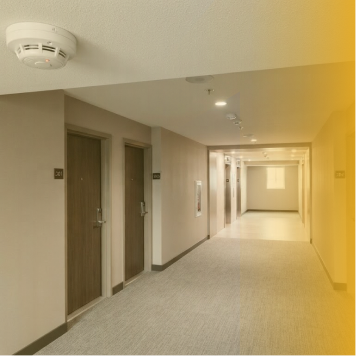
Common-area detection systems, managed by strata managers and committees.
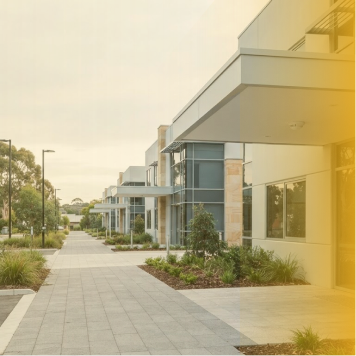
Several buildings, scheduled in stages with one plan and one set of records.
This service is for commercial and strata building fire systems connected to a fire indicator panel. It does not cover single homes or in-unit alarms.
Check the detector label, your FIP logbook or your last service report.
Detectors in service for 10 years or more are due.
Test them, replace them, or plan a staged programme.
AS 1851 sets the maintenance routine for fire detection systems. Where it applies to your building, a detector that reaches 10 years in service is tested or replaced and the result is recorded.
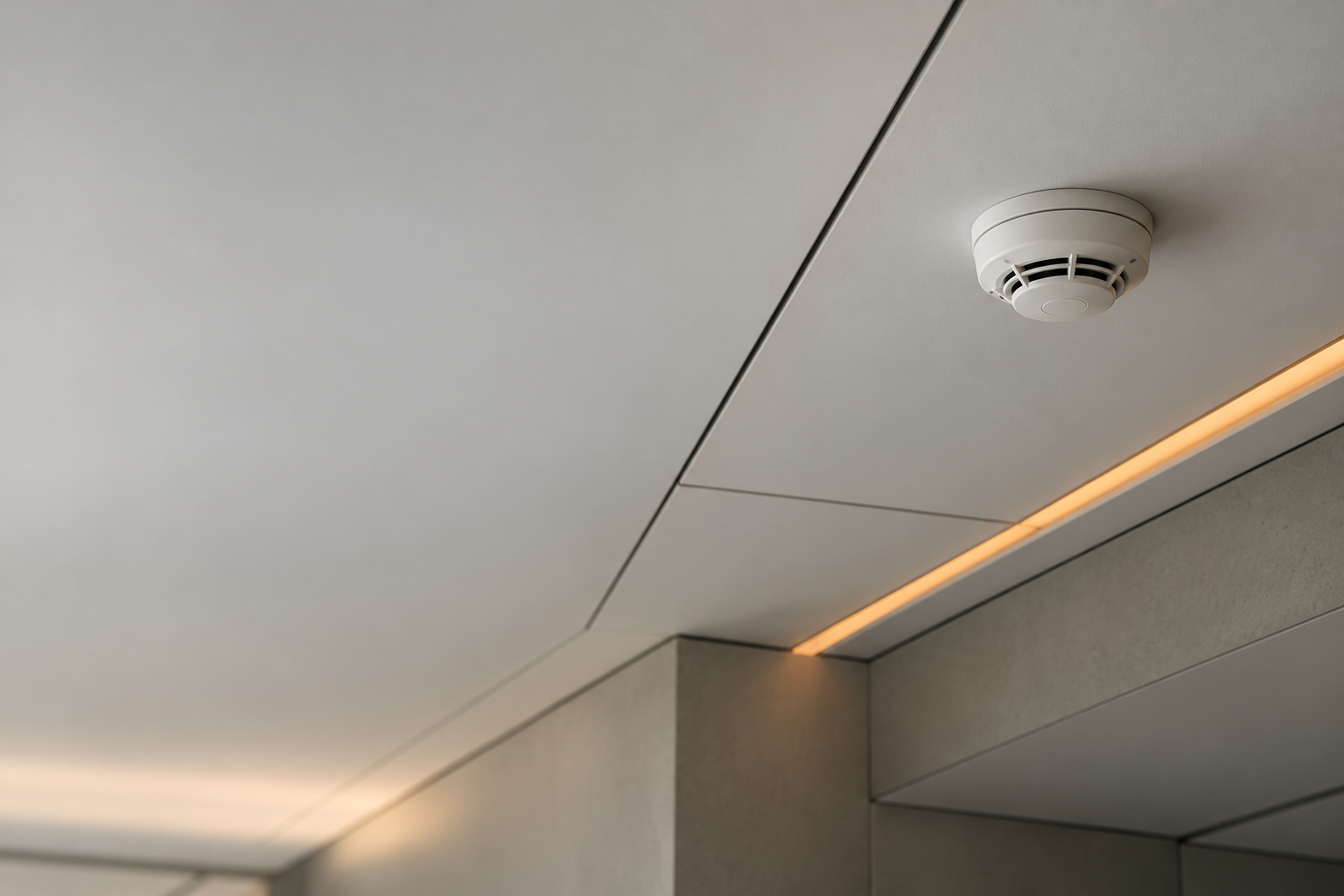
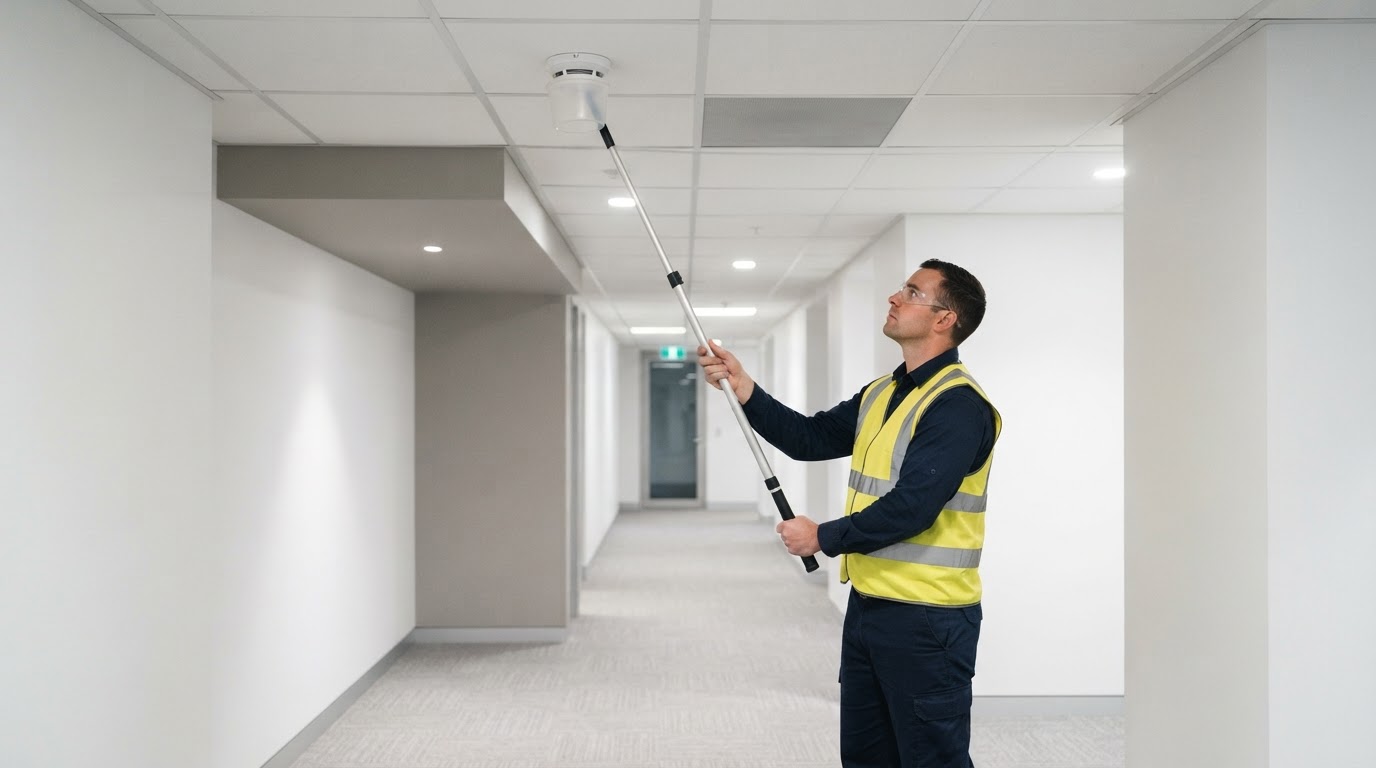
Each detector’s sensitivity is checked in place, or confirmed in range by the panel. Suits systems where detectors are still performing, with the least disruption.
Old detectors come out and new ones are fitted, addressed and tested on your panel. Suits older or obsolete detectors and panel compatibility concerns.
Works staged across floors, buildings or sites, so occupants and managers deal with one schedule.
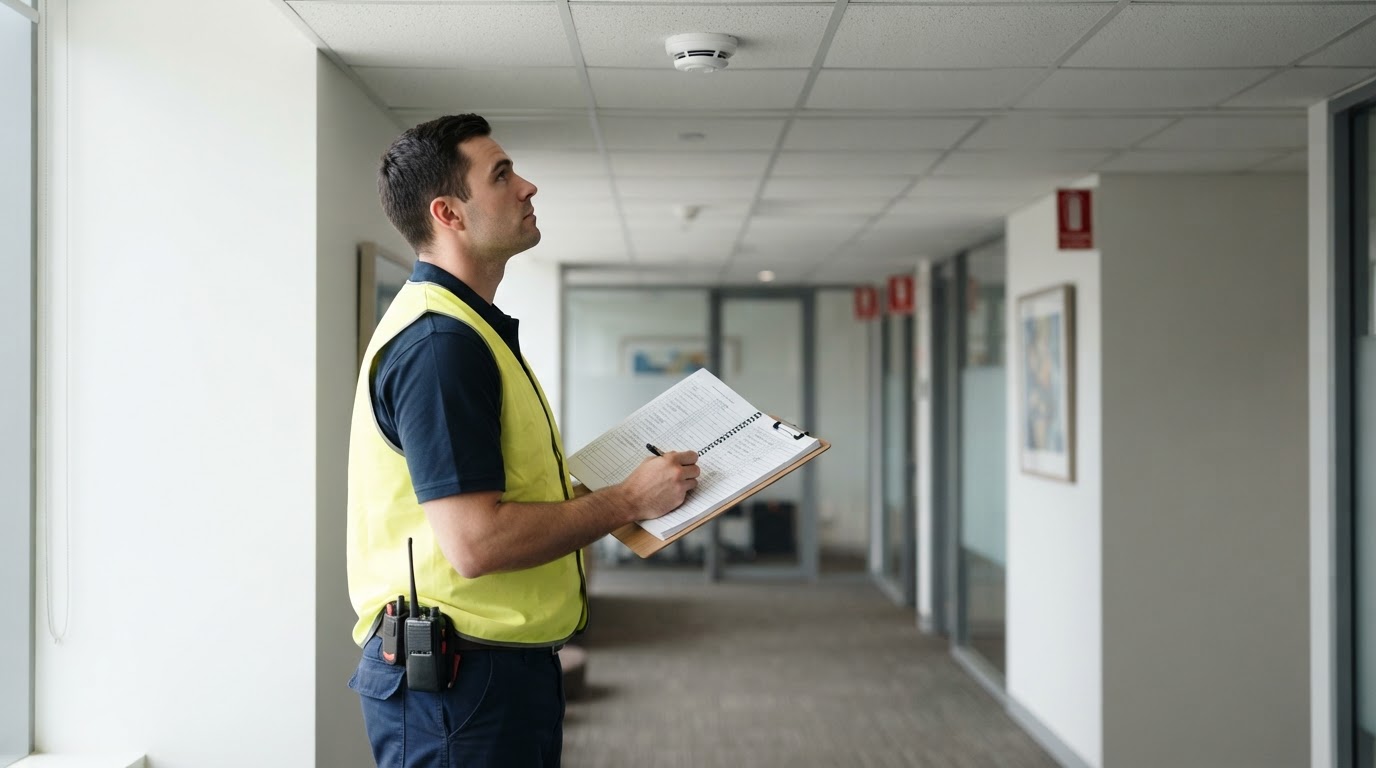
We locate and count detectors and check installation dates against your logbook.
We confirm replacement detectors work with your panel before anything is ordered.
You get a schedule showing which areas we need, when and for how long.
Our technicians test or replace detectors, then run a functional test.
Results and installation dates are recorded and uploaded to your portal.

A record of what was tested or replaced, with results and dates, to support your AS 1851 records.
Your FIP logbook is brought up to date to match the work.
Installation dates and results appear in your client portal.

Not always. AS 1851 sets a 10-year point for detectors in fire detection systems: each one is tested or replaced and the result recorded. Whether the standard applies to your building depends on its compliance requirements, which your fire safety schedule or building manager can confirm. Our team can talk it through.
AS 1851 sets the maintenance routine for fire detection systems. When a detector reaches 10 years in service, it is replaced, or kept in service once its sensitivity has been verified, and the result is recorded. Which routine applies depends on your system and on your building’s compliance requirements.
There are two routes. You can replace the detectors with new or factory-recalibrated units and function-test them, or keep them in service if their sensitivity is verified by testing. A1 does both, and the site audit shows which suits each detector.
Find the installation date. Check the label or base of the detector, your fire indicator panel (FIP) logbook, or your last service report. Detectors in service for 10 years or more have reached the 10-year point. If you can’t find the date, ask our team.
Test when detectors are still performing and your panel is compatible, because it causes the least disruption. Replace when detectors are old, obsolete or have failed a test. The site audit confirms which applies, detector by detector.
Sensitivity testing checks that a detector still responds within its specified range. A1 tests each detector where it is installed, or confirms the reading from the panel where the panel reports sensitivity. Detectors outside their range are cleaned and recalibrated, or replaced.
Where a failed detector can be brought back into range, we clean and recalibrate it. Where it can’t, we replace it. Every treated detector is tested again before sign-off, and the result is recorded in your documentation.
We quote each job from what we find on site. The main factors are detector count and type, ceiling height and access, panel compatibility, after-hours work, number of sites and how the works are staged. Request a quote and a team member will reply within the next business day.
It depends on the number of detectors, ceiling height and access. Your quote includes a schedule showing which areas we need, when and for how long.
A record of what was tested or replaced, with results and dates, plus an updated FIP logbook. Installation dates and results also appear in your client portal.
We work across Perth Northern Suburbs, Metro, Peel, South-West and Great Southern. Tell us the building address in your enquiry and a team member will confirm.
Tell us about your building. A team member will reply within the next business day to confirm next steps. Your quote is built from what we find on site.
Service areas: Perth Northern Suburbs, Metro, Peel, South-West and Great Southern.